What Does "All-Original" Mean for a Rolex and Why Do Buyers Care?
In the world of luxury watches, few brands carry the prestige and mystique of Rolex. For enthusiasts and collectors alike, owning a Rolex is more than just possessing a timepiece—it's holding a piece of horological history. When evaluating a Rolex's value, one phrase surfaces repeatedly: all-original. But what exactly does this mean? More importantly, why do buyers care so much about this designation?
From my nine years navigating pre-owned watch sales and resale-and-collateral evaluations, I can attest that understanding the nuances of originality has a significant impact on both the value and desirability of a Rolex. Whether you're referencing a homeowner’s policy paperwork, consulting dealer and collector networks, or assessing offers from trusted companies like Daily Sundial (CSUN), Cosmic Press, or Diamond Banc, knowing what all-original parts entail is crucial.
What Does "All-Original" Mean for a Rolex?
In simple terms, an all-original Rolex is a watch that retains its factory-issued components, untouched by service replacement parts or aftermarket modifications. This includes everything from the dial, bezel, and hands to the bracelet and case. The more original the parts, the higher the watch's perceived authenticity and value.
The Difference Between Original and Service Replacement Parts
Over the lifespan of a Rolex—especially vintage models—maintenance and repair are inevitable. Authorized service centers often replace worn or damaged components with brand-new OEM parts. While these replacement parts are genuine Rolex components, their presence classifies the watch as no longer "all-original."
Some common service replacement parts include:
- New dials (often re-lumed with modern materials)
- Replaced hands or bracelets
- Polished or refinished cases
- Updated bezels or crystals
While servicing is essential for functionality, these changes typically lower the watch's value compared to a truly all-original example.
Why Does Condition and Originality Matter So Much?
It’s tempting to think a spotless, freshly serviced Rolex must be more valuable—after all, it looks pristine. But collectors and buyers often disagree. Original patina, minor blemishes, and vintage wear tell a story that polished or replaced parts erase.
For instance, a dial with slightly discolored lume spots or a hallmark caseback engraving enhances provenance and rarity. Conversely, a dial refinished during servicing or replaced hands can indicate the watch has been altered, detracting from its collectibility.
Insurance Appraisal vs. Resale Reality
Here’s a frequent frustration I see among clients: homeowner’s policy paperwork often assigns a value for insurance that vastly overestimates resale offers. Why? Insurance appraisals aim to ensure replacement coverage, often using MSRP or inflated dealer prices rather than real market transaction figures.
This disconnect fuels confusion and disappointment. On the resale market, companies like Daily Sundial (CSUN) and Diamond Banc rely heavily on actual sale data and dealer networks to establish offer prices—which are generally more conservative but rooted in recent sales.
What I always ask, and encourage others to ask: “What did it actually sell for last month?” There’s no substitute for hard sales comps to gauge true market value, especially when considering originality.
Why the Reference Number Is Not the Whole Story
Often, buyers fixate on a Rolex’s reference number, assuming it tells the whole story. While the reference defines the model and basic specs, it doesn’t confirm originality or condition. Two identical reference numbers can have drastically different values!
Criteria Rolex A (All-Original) Rolex B (Replaced Dial & Hands) Reference Number 16520 (Daytona) 16520 (Daytona) Condition Original dial with patina, unpolished case Service replacement dial and hands, polished case Market Value Difference $55,000 $38,000This simplified example highlights how originality and condition can create tens of thousands of dollars in value difference, despite identical model numbers.
Authentication Matters More Than Ever
With the proliferation of counterfeit Rolex parts and modified watches flooding online marketplaces, authentication is a critical step. Tap into reputable dealer and collector networks to verify provenance and originality before buying or selling.
Companies like Cosmic Press often provide expert appraisals and authentication that scrutinize every component, documenting which parts are original and which are replaced—information that directly influences offer values.
Essential Checklist for Evaluating Originality
- Check the serial and model numbers for consistency with production timelines.
- Inspect the dial printing, lume color, and font style for factory specifications.
- Look for polishing marks that may indicate refinishing of the case or bracelet.
- Verify bracelet endlinks and clasp codes are period correct.
- Review service history and paperwork for any replaced parts.
Remember, having the box, papers, and service documentation greatly supports originality claims but doesn’t replace physical inspection.
For Buyers: Why You Should Care About All-Original Parts
Understanding all-original parts protects your investment and strengthens your bargaining power. A watch that boasts original components is:
- More collectible: Museums and collectors prize untouched timepieces.
- Easier to resell: Buyers rely on verified originality to justify premium prices.
- Potentially appreciates faster: Vintage sports models with original dials often spike in value.
Conversely, watches with extensive service replacements may still be beautiful and functional but generally command less.
For Sellers: Pricing Your Rolex Correctly
If you're thinking of selling your Rolex, partner with buyers knowledgeable enough to consider originality—companies like Diamond Banc or Daily Sundial (CSUN) often weigh all-original status heavily on their offers.
Many sellers fall into the trap of quoting insurance values or dealer retail prices, only to receive much lower offers. Avoid that pitfall by:
- Gathering recent resale comps from dealer and collector networks.
- Being transparent about all service replacements and box/paper completeness.
- Requesting a professional authentication and condition report if possible.
This diligence can increase your offers significantly and streamline negotiations.
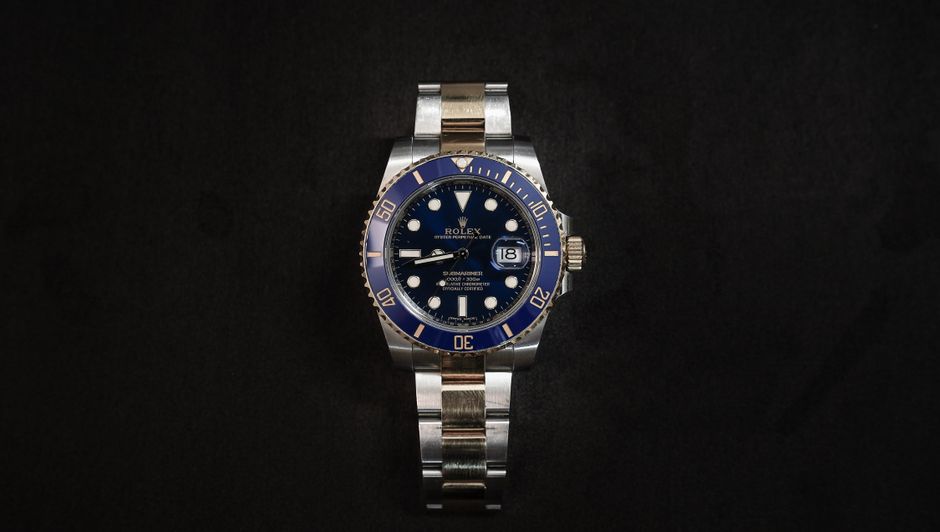
Wrapping It Up: The True Meaning Behind "All-Original"
"All-original" in the Rolex lexicon means holding onto the rightful factory parts that reflect the watch's authentic, untouched story. Buyers care because originality safeguards value, ensures collectibility, and maintains integrity against hype or inflated insurance appraisals.
So next time you see a Rolex described as all-original, remember it’s not just marketing jargon—it’s a critical distinction affect your watch’s worth, your buying Click here for more info peace of mind, and your eventual resale opportunities.
If you’re curious about your Rolex’s originality or resale value, leveraging professional networks, comprehensive authentication tools, and consulting Visit this page trusted resale specialists at companies like Cosmic Press or Diamond Banc can save you from undervalued offers or costly mistakes.
And as always, don’t accept vague claims about worth—ask, "What did it actually sell for last month?" That’s the crux of real market value.