What Is the Best Option if My Rolex Is Sentimental but I Still Need Liquidity?
Want to know something interesting? a rolex can be more than a valuable watch. It may mark a milestone, belong to a parent or partner, or carry memories you do not want to trade away. At the same time, a pressing expense may make its value feel less sentimental and more practical.

You have three main paths: sell the watch outright, borrow against it, or consign it for sale. Each solves a different problem. Selling usually offers the clearest route to cash. A watch secured loan may let you keep Rolex ownership, but it adds repayment obligations and risk. Consignment may produce higher proceeds, but you will wait for a buyer and pay fees.
The right choice depends on how quickly you need funds, whether you can repay a loan, and how important it is to retain the watch. Before discussing numbers with any buyer or lender, ask to see the box and papers if they exist. They do not guarantee a particular price, but they can help establish the watch’s history and completeness.
Start With the Question That Matters Most
Before comparing offers, decide what outcome you need. “I need liquidity” can mean cash today, money within a few weeks, or access to funds without giving up a watch permanently. Those situations call for different solutions.
- Need cash as soon as possible? A direct sale may suit you, provided you understand the offer and accept that you will transfer ownership.
- Want to keep the watch and have a realistic repayment plan? A loan secured by the watch may fit, but review the total cost and default terms carefully.
- Can wait for the right buyer? Consignment may give you a chance at a stronger sale price, though the timing and net proceeds remain uncertain.
- Unsure whether the watch is worth the process? Get an informed appraisal before deciding. An estimate is not the same as a guaranteed offer.
Sentiment deserves a place in the decision, but it should not obscure the financial terms. A loan can preserve ownership on paper while putting the watch at risk if you miss payments. A sale can resolve a short-term need, but the watch may be difficult or expensive to replace later.
Option 1: Sell Outright for Speed and Certainty
A direct sale means a dealer, specialist buyer, or other purchaser buys the Rolex from you. Once you accept the terms, complete the transaction, and receive payment, you give up ownership. This is often the simplest option when you need a defined amount by a defined date.
Why sellers choose an outright sale
- Clear timing: A reputable buyer can explain the inspection and payment process upfront.
- Known proceeds: You can compare actual offers rather than waiting for an eventual sale price.
- Fewer continuing responsibilities: You do not need to manage a listing, respond to buyers, or wait for a consignment payout.
Speed has a cost. A buyer needs room to authenticate, service or prepare the watch if needed, manage market risk, and resell it. That means a direct offer may fall below the price a private buyer eventually pays. Be wary of anyone promising both an unusually high price and immediate payment without examining the watch.
Ask for the offer in writing. Confirm the amount, any deductions, the payment method, when payment becomes final, and what happens if the watch does not pass inspection. If the buyer changes the offer after receiving the watch, ask for the specific reason and supporting documentation before you agree to anything.
Outright sale makes sense when certainty matters more than retaining the watch or pursuing the highest possible gross price. If you sell a sentimental piece, consider whether you would accept never owning that exact watch again. “I can always buy another one” may not be true financially, and another example will not carry the same history.
Option 2: Borrow Against a Watch to Keep Ownership
A watch secured loan uses your Rolex as collateral. You receive funds, then repay the loan under agreed terms. If you meet those terms, you may keep ownership and recover the watch according to the contract. This can appeal to someone who wants to keep Rolex ownership while addressing a temporary cash need.
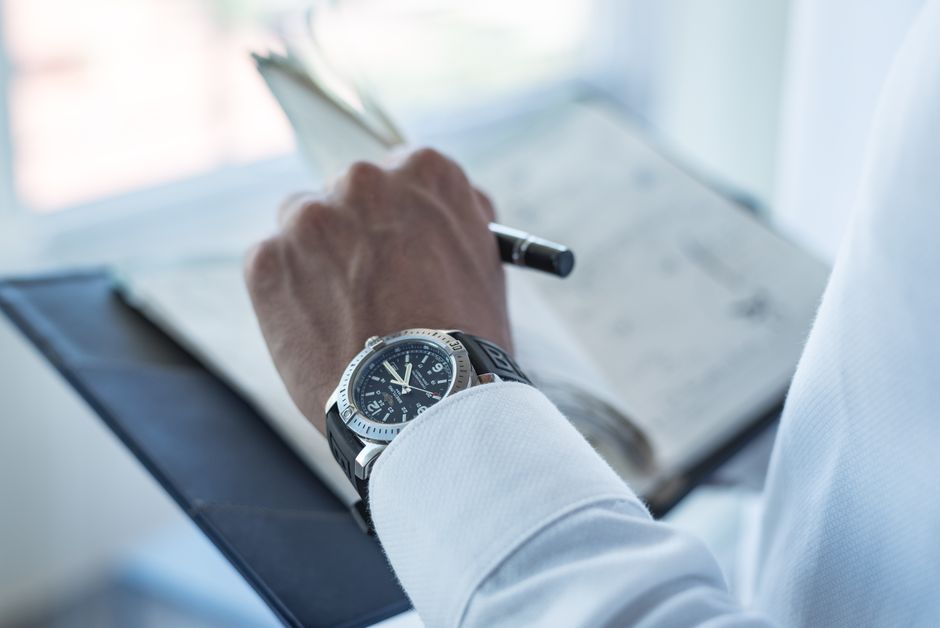
However, a watch secured loan is still a loan, not a sale with a promise to buy the watch back. You need to understand the interest rate, https://www.beverlyhillsmagazine.com/the-luxury-watch-owners-guide-sell-borrow-or-consign-your-rolex/ fees, repayment schedule, storage arrangements, insurance, and consequences of a late or missed payment. Depending on the contract and local rules, default could result in the lender selling the watch.
Questions to ask before accepting a loan
- What is the total amount I must repay, including interest and every fee?
- When is payment due, and can I repay early without a penalty?
- Where will the watch be stored, and who insures it while the lender holds it?
- How does the lender document the watch’s reference, condition, and accessories?
- What notice and cure period do I get if I miss a payment?
- What happens to the watch if I cannot repay on time?
Compare the loan proceeds with the amount you need, not just with an estimated resale value. A lender may advance less than you expect, especially if the watch needs work, lacks documentation, or has a narrow resale market. Do not borrow more than necessary simply because a lender offers a larger amount.
This option works best when you have a credible source of repayment and a clear exit date. If you need ongoing income to cover ordinary expenses, a loan may postpone rather than solve the problem. Before signing, read the entire agreement and consider getting independent financial or legal advice if the terms are unclear.
Option 3: Consign for Higher Potential Proceeds, With More Time
With consignment, you place the watch with a specialist or retailer who markets it to buyers. The consignee typically receives a fee or commission when the watch sells. You retain an interest in the watch until the sale closes, subject to the consignment agreement and the company’s custody terms.
Consignment may reach buyers willing to pay more than a dealer can offer for an immediate purchase. But “higher potential proceeds” does not mean a guaranteed higher net amount. The watch might take weeks or months to sell, the final price may differ from the asking price, and fees reduce what you receive.
What to check in a consignment agreement
- How long does the consignment period last?
- What commission, shipping, insurance, or preparation fees apply?
- Who can approve a price reduction or accept an offer?
- How and when will you receive payment after the sale?
- Can you withdraw the watch, and what costs or conditions apply?
- How does the company protect and insure the watch in its custody?
Ask for a proposed asking price and a realistic estimate of your net proceeds after fees. A high advertised price can attract attention, but it does not tell you what a buyer will pay or what you will take home. If liquidity means meeting a deadline, confirm whether the consignment timeline can meet it. Consignment is not instant cash.
What Drives Rolex Value?
Rolex value comes from the exact watch, not the brand name alone. A “Submariner is a Submariner” approach misses differences that can materially affect demand and price. Reference, condition, originality, and completeness all matter, as do current buyer interest and the details of the transaction.
Value factor What to examine Why it matters Reference Model and reference number, production era, dial and bezel configuration Different references and configurations attract different buyers and market demand. Condition Case shape, bracelet stretch, crystal, dial, hands, movement performance, and service history Wear, damage, repairs, or service needs can change both desirability and expected costs. Originality Whether key parts match the watch’s period and specification Replacement, aftermarket, or mismatched parts may affect collector interest and pricing. Completeness Box, papers, receipts, service records, links, and accessories Supporting items can help document provenance and make the set more appealing.Condition is not a simple “good” or “bad” label. A watch can show honest wear and still appeal to buyers, while aggressive polishing or a poorly executed repair may raise concerns. The movement, case, bracelet, and dial each deserve a careful assessment. A visible flaw does not automatically make a watch undesirable, but it should appear in the valuation and offer.
Originality also requires nuance. A genuine Rolex service replacement is not the same as an aftermarket component, and the effect of a replacement can vary by reference and buyer. Ask the evaluator to identify what they found rather than relying on vague assurances that a watch is “all original.”. Pretty simple.
Get a Credible Evaluation Before Choosing
Look for companies that explain their process in plain language. A strong evaluation may include authentication, condition grading, and pricing from live secondary-market data. Those steps help you understand what you own and how the company arrived at its figure. They do not guarantee that every company will make the same offer or that an online estimate equals a completed sale price.
Share clear photographs and accurate details, including the reference if known, service history, visible damage, and included accessories. Do not hide repairs or assume missing papers make the watch impossible to sell. A qualified specialist can assess the watch itself and explain how documentation affects the options available.
For a fuller picture, compare more than one path. You might ask a buyer for a firm purchase offer, request loan terms from a lender, and obtain a consignment estimate. Compare the the cash you receive, the time involved, the fees, and the consequences if the plan changes.
A Practical Way to Decide
- Set your deadline and cash target. Write down the amount you need and the date you need it.
- Document the watch. Gather the box and papers, receipts, service records, extra links, and photographs.
- Get the watch assessed. Ask for authentication, condition grading, and an explanation of current market pricing.
- Compare net outcomes. For a sale or consignment, compare what you receive after deductions. For a loan, calculate total repayment and the risk to the watch.
- Choose based on the real trade-off. Decide whether speed, ownership, or potential proceeds matter most.
So, What Is the Best Option?
If you need money quickly and can accept losing the watch, an outright sale usually offers the most direct route to a defined amount. If you have reliable repayment funds and want to keep Rolex ownership, borrowing against a watch may preserve the possibility of getting it back, but only if you can meet the contract terms. If you can wait and want to pursue a potentially stronger sale, consignment may be worth considering, with careful attention to fees and timing.
I remember a project where wished they had known this beforehand.. There is no universal best choice. A sentimental Rolex deserves a decision based on its specific reference, condition, originality, and history, not a generic estimate or a promise of easy cash. Get the terms in writing, compare realistic net outcomes, and make sure the option you choose fits both your financial deadline and your willingness to part with the watch.