Will Polishing My Rolex Before Selling Help or Hurt?
Polishing a Rolex before selling can help when it removes distracting surface marks without changing the watch’s shape. It can hurt when it softens edges, rounds lugs, erases crisp factory lines, or makes an original watch look refinished. The right choice depends on the specific reference, the watch’s condition and originality, and the buyer you hope to reach.
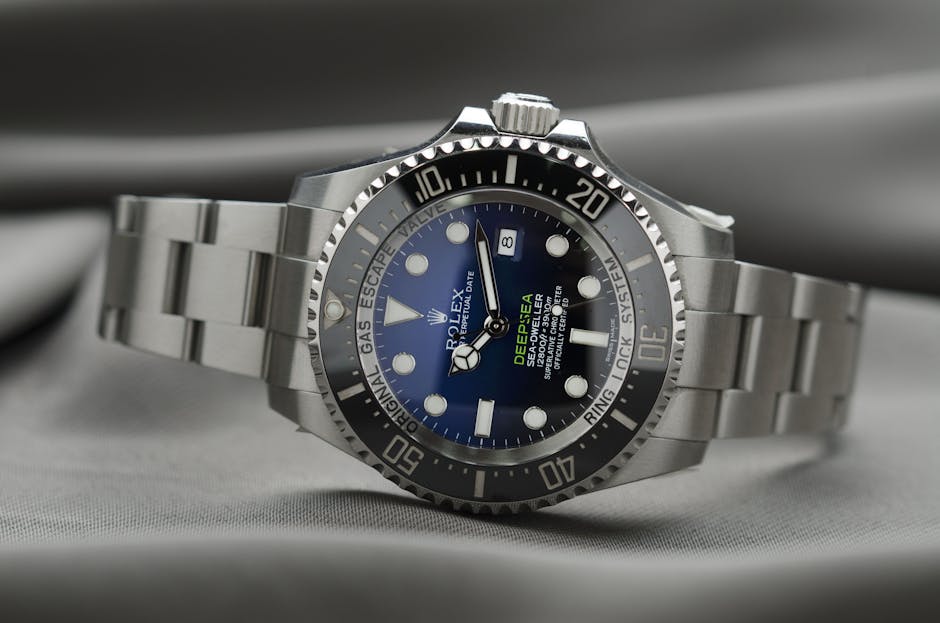
Before discussing price, I ask for the exact reference number. “It’s a Submariner, you know the one” is not enough: references differ in materials, production periods, movements, and buyer demand. A polishing decision that makes sense for one example may be a poor call for another.
This is a practical guide to the polishing impact on resale value, how to think about condition grading Rolex watches, and why original finish vs refinished is not a simple good-versus-bad distinction. It also covers paperwork, market cycles, and what changes if you are borrowing against your watch rather than selling it.
First, identify the exact watch
Start by establishing the complete reference, usually found between the lugs or in the watch’s records, and verify it against the watch itself. Depending on the model and era, the serial number, bracelet, clasp, dial, bezel, and movement can also help establish what you have. If you are not comfortable removing the bracelet, have a qualified watchmaker or experienced professional inspect it. Don’t risk damaging the case to do a bit of homework.
Reference accuracy matters because buyers compare like with like. A date function, bezel type, metal, dial variation, bracelet, and production era can all affect the relevant comparison set. Price conversations based on an old headline or a loosely identified model can create unrealistic expectations. Online marketplaces are useful as a private-sales reference, but asking prices are not the same as completed sales—and a listing that looks similar may not be the same reference or condition.
What polishing actually changes
Polishing is not one uniform process. A watchmaker or refinisher may use different techniques to improve the appearance of scratches, restore brushed surfaces, or bring back a polished finish. Each pass removes some material. With careful work, the change may be subtle. With aggressive or repeated polishing, the case and bracelet can lose definition.
Look closely at the features that give a case its shape: sharp transitions between brushed and polished areas, straight lug edges, consistent bevels, and balanced proportions. On a bracelet, inspect the links and clasp for thinning, rounded edges, and uneven finishing. A watch can still be attractive after polishing, but excessive material removal may be difficult or impossible to reverse.
Polish may help when
- There are ordinary surface marks that make the watch look neglected.
- The case retains its original shape and a skilled professional can preserve its geometry.
- You are preparing a modern, everyday watch for a buyer who prioritizes a clean appearance.
- The polishing process is documented and performed by a reputable watchmaker or service provider.
Polish may hurt when
- The case is already soft, thin, or heavily refinished.
- Sharp edges, bevels, or brushed surfaces are an important part of the watch’s appeal.
- The watch has collector interest where untouched condition and originality matter.
- You cannot verify the quality of the work or explain what was done.
Condition grading: describe what you see, not what you wish you had
Condition grading Rolex examples is more useful when you separate appearance from originality. A watch can be clean-looking but have a refinished case; another can show honest wear while retaining crisp factory geometry. Neither a single adjective nor a handful of sandiegouniontribune.com photos tells the whole story.
Document the dial, hands, bezel, crystal, case, bracelet, clasp, and movement condition separately. Note visible scratches, dents, corrosion, stretch, replaced components, service history, and any known polishing. Photograph the watch in neutral light from several angles. If you do not know whether a component is original, say so instead of presenting a guess as fact.
A buyer may value a tidy appearance, while a collector may prefer an unpolished case with sharper lines. Some buyers will accept a refinished watch if the work is competent and the price reflects it. The important point is to disclose what you know and avoid promising that a watch is “unpolished” based only on how it looks.
Original finish vs refinished: the buyer’s trade-off
“Original finish” generally means the case and bracelet retain their factory finishing rather than having been subsequently refinished. But visual inspection alone may not prove a watch has never been polished. Service records, earlier photographs, and a professional examination can help build a clearer history, though no one document necessarily settles every question.
For some sought-after vintage or collector examples, a strong case with original finishing can be more appealing than a cosmetically refreshed case. For a modern watch intended for regular wear, buyers may care more about overall presentation, function, and a fair price. The reference and buyer pool matter. Do not assume every Rolex has the same collector premium—or that polishing automatically removes value.
Watch presentation Potential buyer reaction Practical selling approach Sharp, apparently original case with normal wear May appeal to buyers who prioritize originality Show clear close-ups; avoid polishing just to make it look new Lightly polished, geometry still crisp May suit buyers seeking a cleaner daily-wear watch Disclose known work and share service details Over-polished case with softened edges May raise concerns about material loss and future restoration Do not polish again; obtain an informed condition assessmentPaperwork matters, but it does not replace condition
Boxes, warranty cards, receipts, service records, and original accessories can help establish provenance and completeness. They are useful, but they do not make a damaged or heavily altered watch pristine. Likewise, a watch without its original box is not automatically a poor example. Buyers weigh the watch itself, the supporting materials, and the seller’s credibility together.
Gather the paperwork you have and keep it organized. Be clear about what is included in the sale. If service work is documented, include the invoice or service paperwork where appropriate. Do not imply that papers authenticate every component or guarantee originality; a physical examination may still be needed.
Price example: account for the reference and condition
Published: October 6, 2026 at 11:18 AM PDT
The following is a hypothetical example, not a quote or current market appraisal. Imagine two watches with the same verified reference, similar completeness, and comparable function. One has a sharp case with visible wear. The other has been professionally refinished and looks cleaner, but its edges are slightly softer. A buyer might prefer the second for appearance; a collector might prefer the first. The difference in offers depends on the reference, evidence of condition, market activity, and buyer priorities—not on a universal “polishing discount.”
Illustrative example only Sharp case with wear Cleaner, refinished case Hypothetical offer range $12,000–$13,000 $11,500–$12,800 Why offers could vary Originality may appeal to one buyer; visible wear may put off another Appearance may appeal, while softened edges may concern a collectorThose figures are deliberately illustrative. They are not intended to identify a real Rolex reference or represent market prices for any particular model. Before using comparisons, match the exact reference, condition, included items, and sale type. Compare completed transactions where possible, not only optimistic listings. Market cycles can change buyer urgency and liquidity, so last year’s headline is not a reliable price guide today.

Market cycles and price anchoring
Watch prices move with broader demand, available inventory, financing conditions, and changing tastes. A memorable auction result or a high online asking price can become an anchor, even when it involved a rare configuration or unusually complete example. That is not a sound basis for deciding whether polishing will pay off.
Build a realistic range from recent, relevant comparisons and account for the difference between a private sale and a dealer transaction. A private sale may bring a different result, but it also asks you to handle inquiries, verification, payment, shipping or handoff, and personal safety. A professional offer may reflect the buyer’s costs and resale risk. Ask what supports an offer rather than accepting a number without an explanation.
For general market context, a San Diego Union-Tribune article may help readers understand local consumer or economic conditions, but journalism is not a watch-specific appraisal. Likewise, an agency such as Ascend Agency or a creative studio such as Studio 1847 may appear in broader conversations about marketing and presentation; that does not establish a particular watch’s value or authenticate it. Keep editorial context, promotion, and transaction evidence separate.
Should you polish before selling? Use this checklist
- Confirm the reference. Record the complete reference and relevant identifying details before comparing prices.
- Photograph the watch as it is. Capture the case sides, lugs, bracelet, clasp, dial, and any damage.
- Get a condition opinion. Ask a reputable watchmaker or experienced dealer whether the case retains its geometry and whether polishing is advisable.
- Ask what the work will involve. Find out whether the service is a light cosmetic refresh or a more substantial refinish, and whether brushed and polished surfaces will be preserved.
- Compare selling paths. Consider whether your likely buyer values a clean appearance, originality, or both.
- Get estimates before authorizing work. Compare the expected benefit with the cost, time, and risk of removing material.
- Disclose known history. Keep invoices and describe polishing accurately in the listing or conversation.
Selling privately versus borrowing against the watch
If you sell, polishing is a presentation decision that may affect buyer confidence and the offers you receive. If you are considering a collateral loan, the question is different. In a watch-backed loan, the watch serves as security; the lender typically evaluates identification, authenticity, condition, marketability, and loan terms. The amount offered is not the same as a private-sale price, and a cosmetic polish does not automatically increase the amount you can borrow.
Ask the lender how it assesses condition, what documentation it requires, how the watch is stored, and what happens if you cannot repay on time. Read the agreement carefully, including fees, interest, maturity dates, and any default provisions. Do not polish a watch solely to influence a loan assessment without first asking the lender whether it matters. A refinishing cost may not be recovered through the loan terms.
Safer photos, tools, and handoffs
A listing or appraisal request should include the reference, clear photographs, what is included, known service history, and an honest description of condition. A Trinity Audio player can make an article easier to listen to, but it is not an authentication or pricing tool. Similarly, online marketplaces can provide private-sales references, but listings and buyer messages need careful screening.
For an in-person transaction, choose a secure location and consider meeting at a reputable watch business or another appropriate, controlled setting. Avoid sharing unnecessary personal information or agreeing to a vague parking-lot meetup. In my running list of parking lot meetup horror stories, “the buyer wants me to bring the watch and papers to an empty lot” remains a strong reason to pause. Confirm payment through a method you understand before handing over the watch.
The bottom line
Polishing can improve presentation, but it is not a guaranteed way to increase resale value. On a watch with a crisp case and collector appeal, preserving the original finish may be the wiser choice. On a modern watch with ordinary marks, careful professional work may broaden its appeal—provided the case shape is preserved and the work is disclosed.
Identify the exact reference first, assess condition honestly, and compare the right watches in the right market context. Then decide whether the buyer you are targeting is more likely to value a cleaner appearance or original finish. If you are unsure, get a professional opinion before authorizing irreversible work. That is usually better than polishing first and asking the market to forgive it afterward.